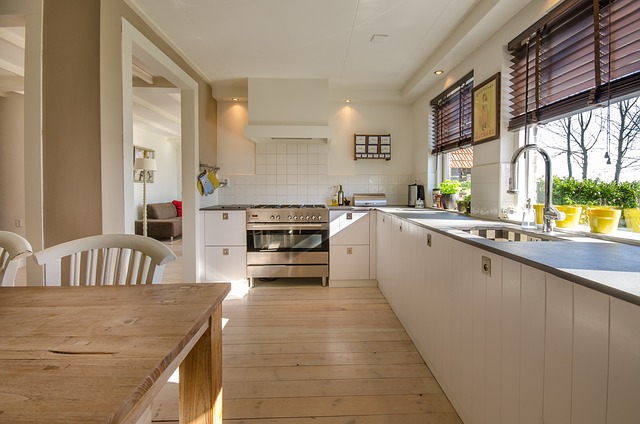
Choosing the perfect color scheme for your kitchen can be both exciting and overwhelming. The kitchen is often considered the heart of the home—a space where functionality meets style, and where family and friends gather. Therefore, the color scheme you choose should reflect both your personal taste and the practical aspects of the room. In this guide, we’ll explore how to select a kitchen color scheme that balances aesthetics with practicality, ensuring your kitchen is not only beautiful but also a joy to use.
1. Consider Your Kitchen’s Size and Layout
The size and layout of your kitchen play a crucial role in determining the best color scheme. Light colors, such as whites, creams, and pastels, can make a small kitchen feel larger and more open. They reflect light and create a sense of airiness. On the other hand, darker colors, like navy, charcoal, or rich greens, can add depth and warmth to a larger kitchen. These colors can also create a cozy, inviting atmosphere.
For open-plan kitchens, where the kitchen merges seamlessly with living or dining areas, it’s important to consider how the kitchen color scheme will interact with adjacent spaces. A cohesive color palette that flows from one area to another can create a harmonious look throughout your home.
2. Choose a Color Scheme That Reflects Your Style
Your kitchen color scheme should reflect your personal style and complement the overall decor of your home. Here are some popular styles and color schemes to consider:
- Classic and Timeless: For a classic look, opt for neutral tones like white, gray, or beige. These colors never go out of style and can be easily updated with accessories such as colorful rugs, curtains, or artwork.
- Modern and Sleek: If you prefer a modern aesthetic, consider high-contrast color schemes such as black and white, or incorporate bold colors like teal or mustard yellow. Modern kitchens often feature sleek cabinetry and minimalistic design, so bold or dramatic color choices can create a striking visual impact.
- Rustic and Cozy: For a rustic kitchen, think warm, earthy tones such as terracotta, olive green, or rich browns. These colors evoke a sense of warmth and comfort and work well with natural materials like wood and stone.
- Vintage Charm: Vintage-inspired kitchens can benefit from pastel colors like mint green, soft pink, or buttery yellow. These hues can give your kitchen a nostalgic feel, especially when paired with retro appliances and cabinetry.
3. Balance Functionality and Aesthetics
While choosing colors that appeal to your sense of style is important, you also need to consider the functionality of your kitchen. Here are a few practical considerations:
- Maintenance: Lighter colors, while making a space feel larger and more open, can show dirt and stains more easily. If you love the look of white or cream but are concerned about upkeep, consider using washable or stain-resistant paints. Alternatively, incorporating these colors into cabinetry or backsplash tiles, which are easier to clean, might be a practical solution.
- Lighting: The type of lighting in your kitchen can significantly impact how colors appear. Natural light can make colors look different throughout the day, while artificial lighting can alter the perception of your color choices. It’s a good idea to test paint samples in your kitchen’s lighting conditions before making a final decision.
- Accents and Contrast: Incorporate contrasting colors or accent shades to add interest and dimension to your kitchen. For example, pairing white cabinets with a bold backsplash or countertop can create a dynamic look without overwhelming the space.
4. Create a Cohesive Color Palette
A well-coordinated color palette can tie your kitchen design together and create a unified look. Here are some tips for creating a cohesive color scheme:
- Start with a Base Color: Choose a base color for the main elements of your kitchen, such as cabinets, walls, or flooring. This color will set the tone for the rest of your color scheme.
- Add Complementary Colors: Select one or two complementary colors to use for accents and details. These could include your countertops, backsplash, or even small appliances. Complementary colors are those that sit opposite each other on the color wheel and create a pleasing contrast.
- Incorporate Textures: Textures can add depth and interest to your color scheme. For instance, a matte finish on walls paired with glossy tiles or metallic fixtures can create a sophisticated look. Experimenting with different finishes and materials can enhance the overall visual appeal of your kitchen.
5. Test and Visualize
Before committing to a final color scheme, it’s essential to test your choices in your actual kitchen. Obtain paint samples or swatches of your selected colors and apply them to small sections of your walls. Observe how the colors look at different times of day and under various lighting conditions. Additionally, consider using online design tools or apps that allow you to visualize different color schemes in a digital rendering of your kitchen.
6. Seek Inspiration and Professional Advice
Don’t hesitate to seek inspiration from design magazines, websites, or social media platforms like Pinterest and Instagram. Seeing how different colors and designs work in real kitchens can help you refine your choices. If you’re feeling overwhelmed, consulting with a professional interior designer can provide valuable insights and guidance tailored to your specific needs and preferences.
Conclusion
Choosing the perfect kitchen color scheme involves balancing your personal style with practical considerations. By understanding the impact of color on space, functionality, and aesthetics, you can create a kitchen that is both beautiful and functional. Whether you prefer classic neutrals, bold contrasts, or cozy earth tones, the right color scheme will enhance your kitchen’s design and make it a welcoming and enjoyable space for years to come.